The double cylinder machine
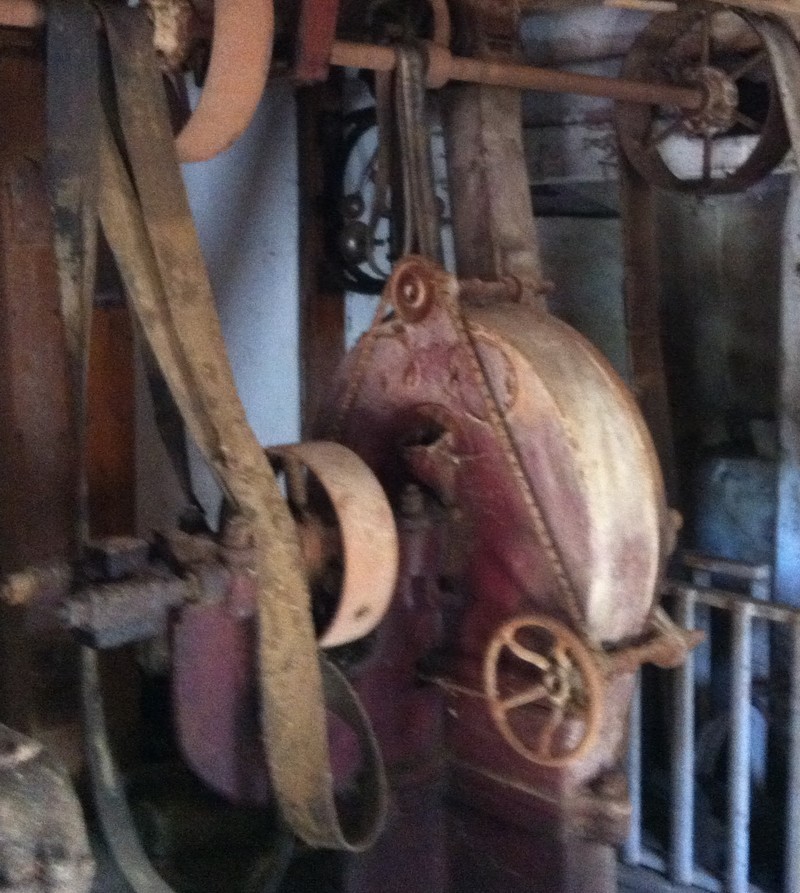
This Teist-Rose-Brault machines has two power supplies allowing the products by severity of the products from the floor to the cast iron cylinders of the crusher and the converter.
The crusher consists of fluted cylinders which turn in the opposite direction and have a differential rotary speed of 2, 5 %. By this contrary movement, due to the growing number of cylinders.
After sieving, the reduction of almond particles in flour is carried out under the action of the smooth cylinders of the converter.
This double machine is equipped, on both sides, with a control pulley intended to transmit the energy of the wheel.
On the underside the extraction is carried out by two endless screws.
The crusher-pranutulator
The crusher-pranutulator is used in a version of version in combination with the low-bulky cylinder device, reduces the number of bluking devices.
The products obtained remain beautiful, very white flours, wide sounds, clean, regular and abundant semolina.
Performances: 100 to 200 kg of wheat per hour, 400 to 500 laps per minute.

The centrifugal doorbell
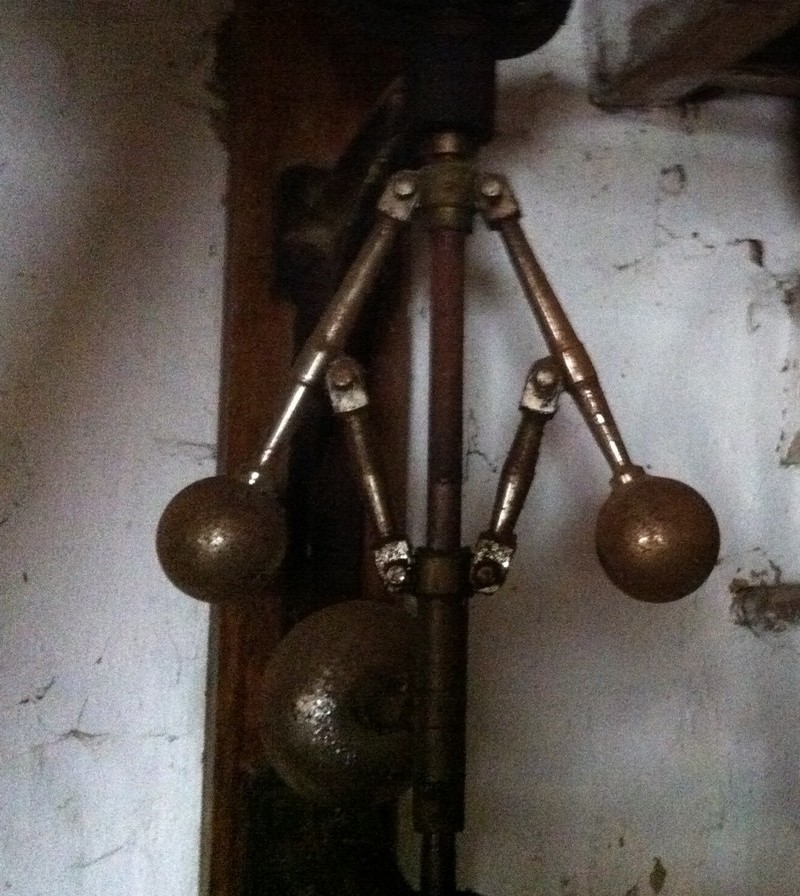
In this device, two balls are linked to an axis via articulated arms so as to allow them to move radially while remaining in the same plane passing by this axis.
Thanks to two stems connected to the arms, the balls cause a sliding ring in their movement along the axis. When the axis is rotated, the balls are subject to the centrifugal force which depends on the speed of rotation.
This force is radically exercised in relation to the rotation trajectory of the balls, these will then be excluded more or less depending on the speed by resulting in their movement the sliding ring.
Pins fixed on the axis hit the doorbell to alert in case of too large or too low speed.
This device is a centrifugal bell and not a regulator.

The plans
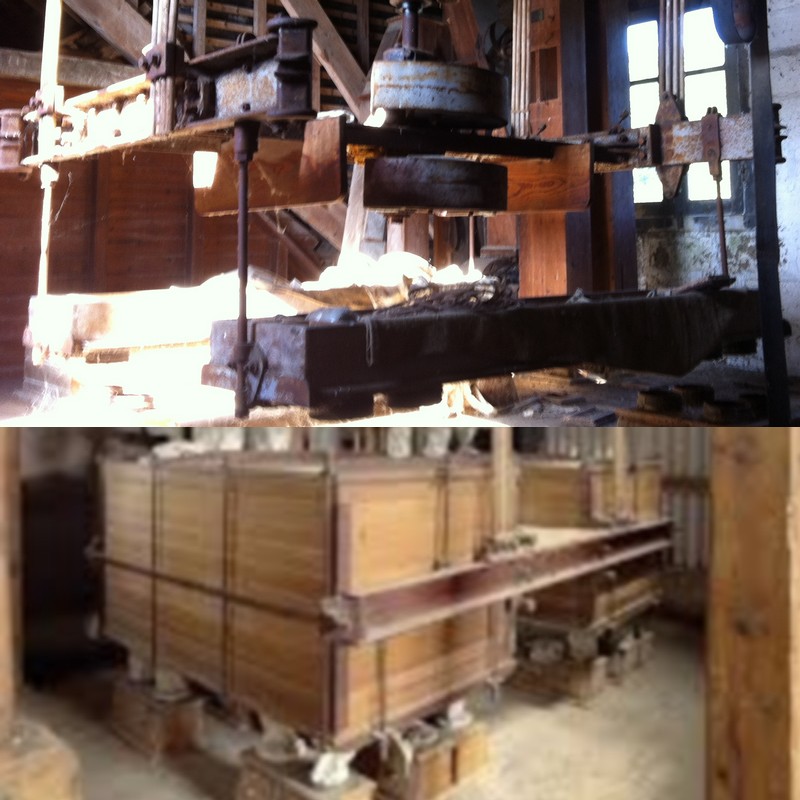
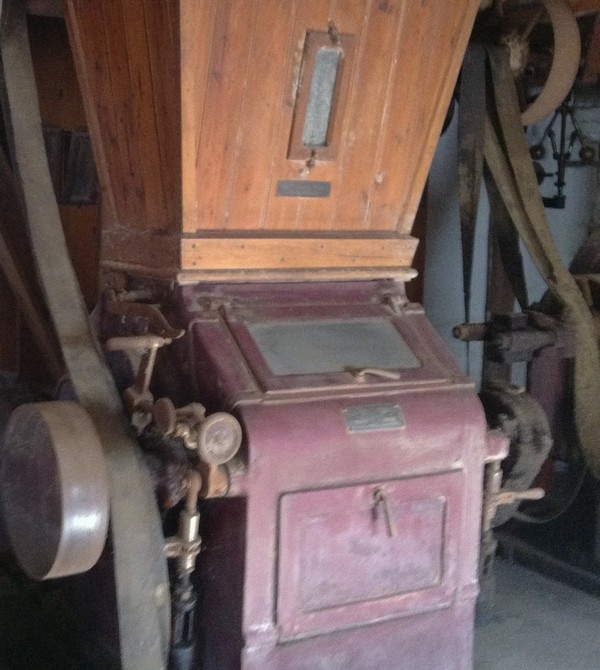
A plansichter is a set of sieve generally used in the minoteries. It allows, by bluking, the separation of large fractions (fine, large semolina, and finots) and very fine fractions: passing flours.
Six bunk sieve is responsible for separating large fractions from the granulator. Six others are responsible for separating the large fractions from the crusher.
Twelve sieve is responsible for separating the fractions from the converter.
In addition, the miller has the possibility of putting fractions manually in the grinding circuit.
This operation is necessary in the mills where there is only one double cylinder machine.
These mills have for appellation: recovery mills
The tools of the milling are spread over 3 floors.
Ground floor: An input hopper, wheat cleaner, a granulator, a converter, an electric motor, a set of augers and elevators to lift up milling at the third floor.
On the third floor a storage pool of flour, a storage of sound, a winnowing machine, a plansichter.
Second floor: 7 vents ensachoirs traps with a reserve of clean wheat, evidence of transmission between floors.
On the second floor, the old wheel is in relatively good condition.